

The market for AI tools is growing rapidly and offers companies a wide range of solutions. These tools can make day-to-day work considerably easier, but given the large number of offerings, it is becoming increasingly difficult to maintain an overview and identify the tools that really make sense. To help companies make the right choice, we have compiled the most important AI tools for companies.
Table of Contents
What is an AI tool?
An AI tool is a software or application based on artificial intelligence that has been developed to perform tasks automatically, more efficiently and often with a high degree of precision. Such tools use technologies such as machine learning, language processing or image recognition to analyze data, optimize processes or support decisions. From chatbots that answer customer queries to tools that perform complex data analysis, AI tools help companies to save time, reduce costs and gain a competitive edge.
The best AI platforms for businesses
We have deliberately left out simple AI chatbots such as ChatGPT, as these are often very generic or require a lot of customization to be useful for companies.
1. amber
amber – Do your employees know what your company knows?
The challenge: More and more data sources, ever faster growing data volumes and demographic change mean that it is becoming increasingly difficult for employees to find internal knowledge quickly and easily. As a result, valuable knowledge often remains unused in decision-making processes because it is either unknown or employees spend a lot of time asking questions and conducting internal research.
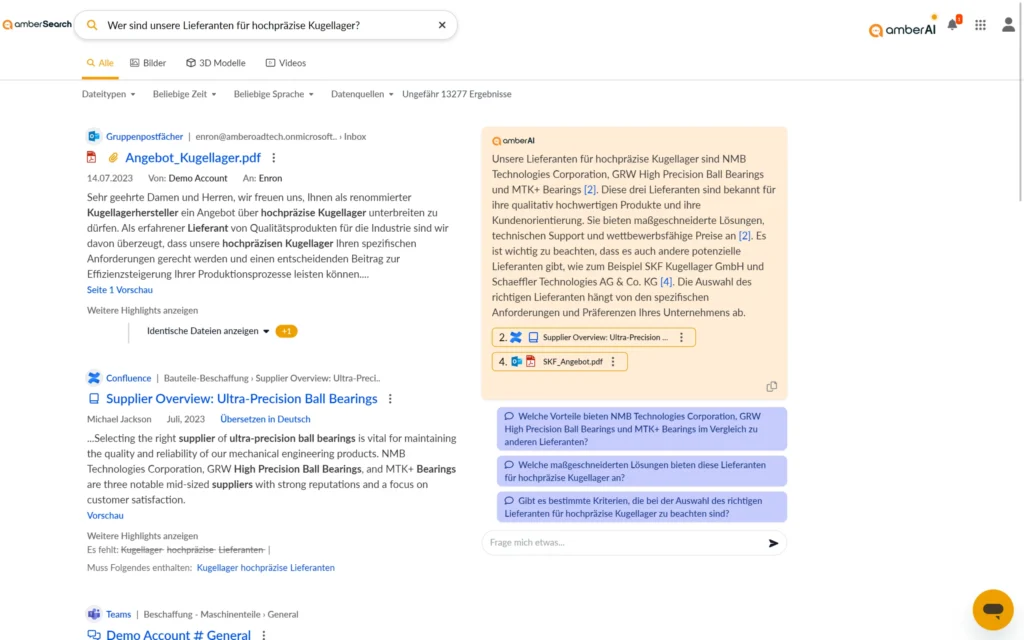
Source: amber
It’s better this way: Aachen-based company amberhelps employees to find internal knowledge quickly and easily by developing a central AI platform (category: Enterprise Search) that employees can use to find all relevant information. Content from drives, Microsoft 365, document management systems, intranets and many other systems is found in compliance with the GDPR and taking existing access rights into account. In addition to the pure search, employees can also chat with internal data via amber- and thus have a kind of company GPT.
The advantages: Thanks to a lean and standardized architecture, companies can quickly take advantage of modern technologies such as generative AI without having to set up large projects first. Employees save up to 40% of the time they would otherwise spend searching for information, which not only boosts efficiency but also increases satisfaction as there is less frustration. This time saving allows them to focus more on value-adding tasks, leading to increased productivity and better business results. At the same time, access to clear and accessible information prevents redundant work and ensures a smoother workflow.
2. tl;dv
tl;dv – How can AI-supported notes optimize your online appointments?
The challenge: More and more meetings are being held digitally in everyday working life. More and more meetings in ever shorter sequences lead to a flood of information. In addition, all appointments have to be kept track of at great expense – in the form of meeting notes. At the same time, important details are lost or not used effectively, which impairs productivity and decision-making.
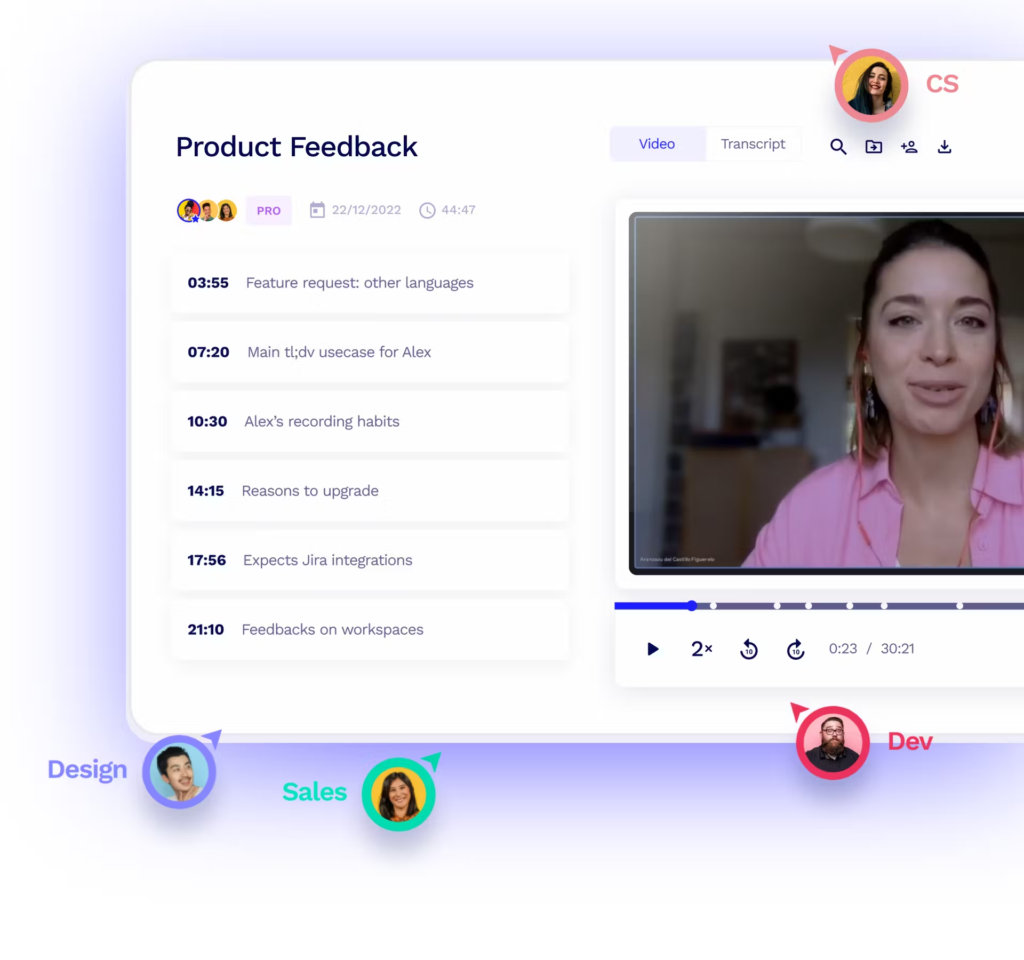
Source: Capterra
It’s better this way: The company tl;dv (short for “too long; didn’t view”) has developed an AI-supported solution that acts as an intelligent note-taking assistant for meetings. The platform automatically records meetings, transcribes them and uses artificial intelligence to create precise summaries. tl;dv supports common platforms such as Zoom, Google Meet and Microsoft Teams and can process meetings in over 30 languages.
The advantages: By using tl;dv, companies can significantly increase the efficiency of their meetings. Employees save up to 30 minutes per meeting as they no longer need to focus on manually taking notes. The AI-generated summaries make it possible to quickly capture the most important points and derive actions. Integrations with CRM systems and other tools automate meeting follow-up, freeing up valuable time for productive tasks. In addition, tl;dv offers the ability to analyze meetings and gain insights, which is particularly beneficial for sales teams and onboarding new employees. The platform ensures compliance with data protection regulations such as the GDPR and offers flexible hosting options for sensitive company data.
3. neuroflash
neuroflash – How do you revolutionize your content creation with AI?
The challenge: Generative AI is making it ever easier to create content. In order to remain visible, companies need to react faster and more often without sacrificing quality. At the same time, marketing managers are under high competitive pressure and have too few resources. This often leads to delays, inconsistent messages and suboptimal use of marketing budgets.
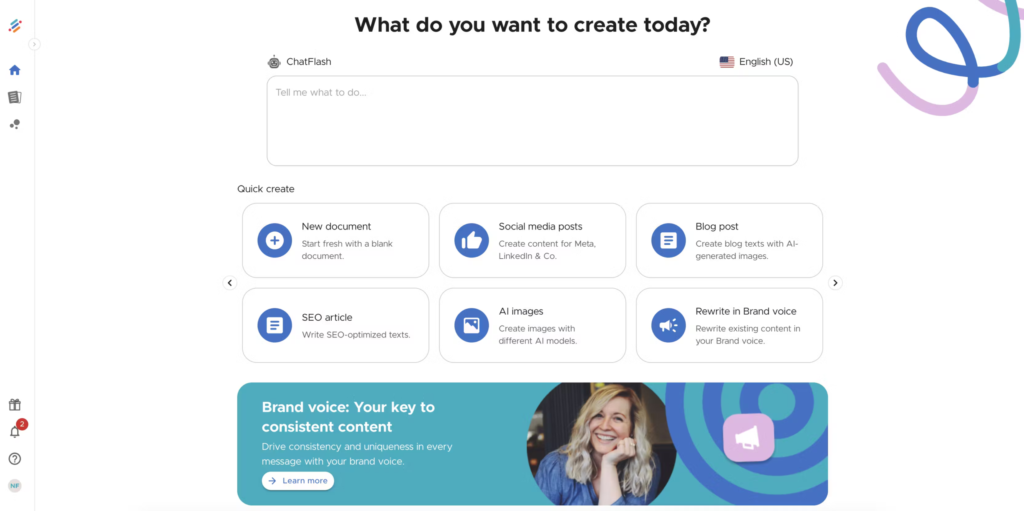
Source: Capterra
It’s better this way: German company neuroflash has developed a comprehensive AI-supported platform that helps companies and content creators to produce high-quality content quickly and efficiently. With over 100 text templates for various formats such as blog posts, social media posts and emails, neuroflash supports the creation of texts in more than 20 languages. The platform not only offers text generation, but also SEO or image generation.
The advantages: By using neuroflash, companies can significantly speed up their content creation and improve quality at the same time. Users report time savings of up to 80% in text creation, allowing more content to be produced in less time The integrated SEO functionality helps to improve visibility in search engines, while AI-supported image generation supports visual design. The ability to keep the brand tone consistent through the Brand Voice feature is particularly valuable.
4. Nooxit
Nooxit – How do you automate your accounts payable processes with AI?
The challenge: In many companies, accounts payable processes are still time-consuming and prone to errors. Manual data entry, visual checks and the allocation of invoices to the correct accounts tie up valuable resources. This leads to high costs per invoice and an increased error rate, which in turn impairs the efficiency of the entire financial system.
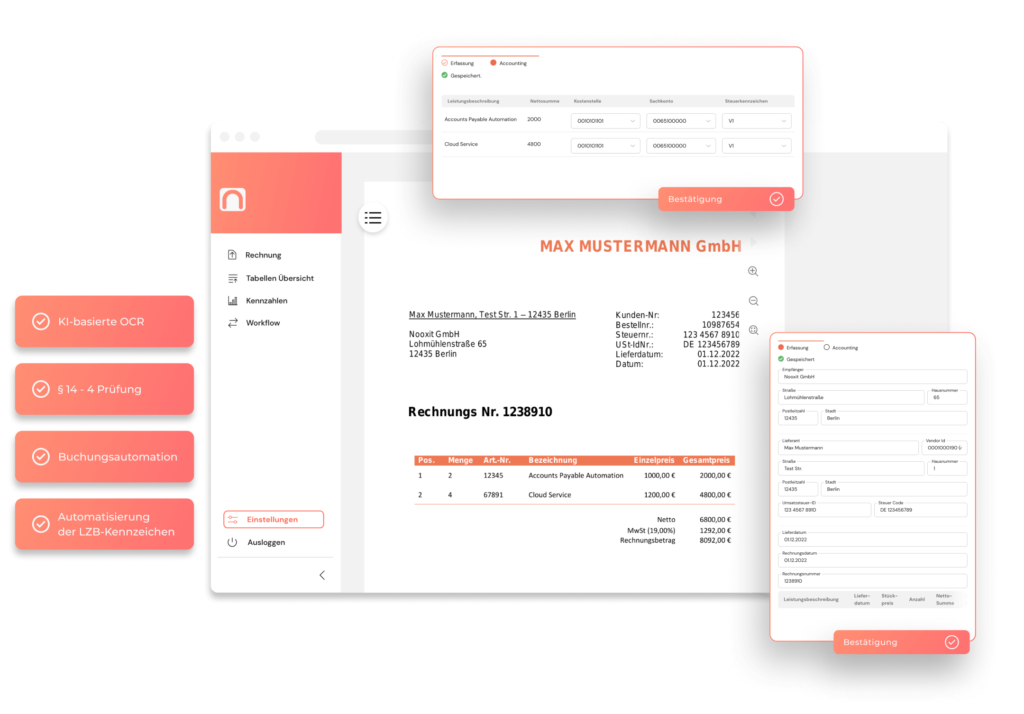
Source: Nooxit
It’s better this way: Berlin-based company Nooxit has developed an AI-based platform that fully automates financial and accounting processes. Using artificial intelligence and machine learning, the software automatically records invoices, checks them for errors and posts them correctly. The solution integrates seamlessly into existing ERP systems such as SAP and can be implemented quickly as a plug-and-play tool.
The advantages: By using Nooxit, companies can reduce their costs per invoice to less than 1 euro. The AI-supported automation enables an automation rate of up to 90% while simultaneously reducing the error rate by 35%. Employees are freed from tedious routine tasks and can concentrate on value-adding activities. The software continuously learns and optimizes itself, further increasing efficiency over time. Nooxit also ensures compliance with tax regulations and offers a high level of security thanks to its collaboration with renowned cloud providers.
You want to introduce AI in your company?
We’ve created a white paper that outlines best practices for integrating AI into your company.
It focuses on what really matters: connecting AI with your existing IT infrastructure and core knowledge — not just using AI on a superficial level.
Discover how to make AI truly valuable for your organization.
Download the white paper now:
5. Ingestro
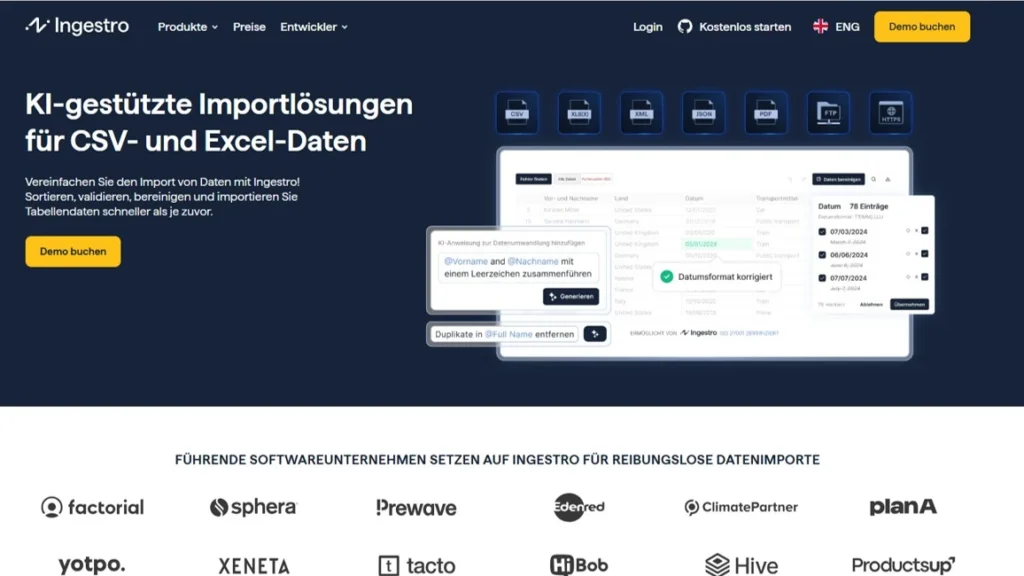
Ingestro- How do you import data quickly and easily?
The challenge: Many companies are working with more and more data and have to import it into a wide variety of tools. When importing file types such as CSV, Excel and JSON, they are faced with the challenge of assigning this data correctly so that the tools can process the data correctly. These steps tie up valuable developer resources and frustrate customers with lengthy import cycles. This leads to delays in value creation, potentially dissatisfied customers and is an inefficient use of resources.
Source: Ingestro website
It’s better this way: Hamburg-based startup Ingestro has developed an AI-supported solution that simplifies the import and integration of external data for software companies. Its universally applicable API for imports enables companies to accept and integrate customer data effortlessly. With the help of artificial intelligence, Ingestro automates the process of mapping and transforming data into the desired structure and format.
The benefits: By using Ingestro, companies can focus their developer resources on their core product instead of wasting time creating custom import scripts. Ingestro’s AI algorithms handle even complex use cases automatically, resulting in significant time savings and increased efficiency. Customers benefit from a faster and smoother onboarding process, resulting in higher satisfaction and potentially increased sales. In addition, Ingestro’s unique front-end processing ensures compliance with strict data protection regulations such as the GDPR without processing sensitive customer data.
6. yourhomie.ai
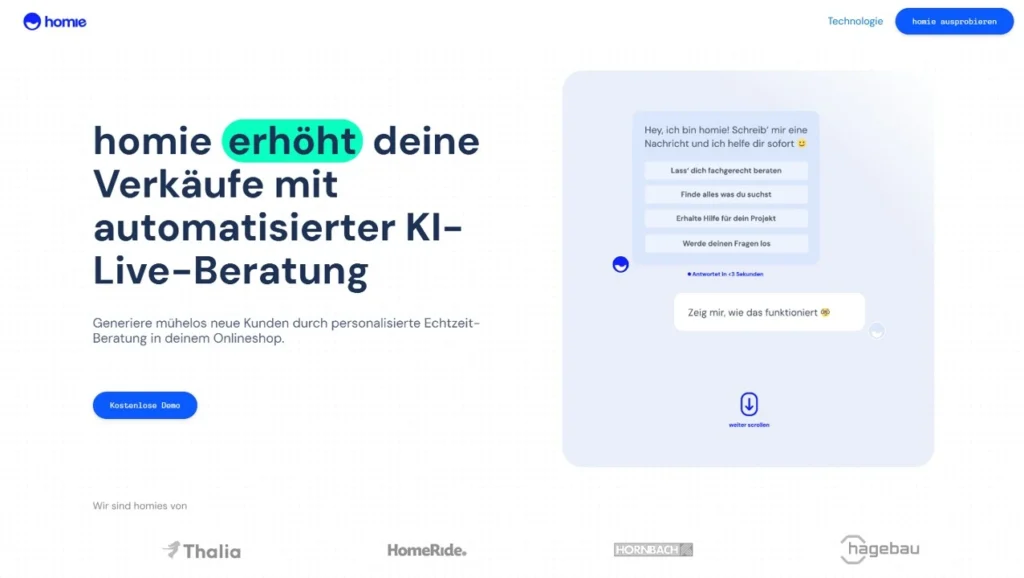
yourhomie.ai – How do you turn customer inquiries into targeted consultations?
The challenge: Companies are faced with an increasing number of customer inquiries. However, you cannot expand resources so quickly without losing quality. At the same time, the need for personalized advice is growing. Traditional methods of customer service often reach their limits, which can lead to longer waiting times, dissatisfied customers and missed sales opportunities. With large product ranges in particular, it is becoming increasingly difficult for human advisors to provide comprehensive and precise information on all items at all times.
Source: Yourhomie.ai
That’s how it works: Cologne-based company yourhomie.ai has developed an innovative AI-based solution that acts as a digital sales consultant on the website or in the store. This technology makes it possible to turn customer inquiries into targeted consultations in a matter of seconds. The AI assistant can understand complex product ranges, make personalized recommendations and guide customers through the entire purchasing process as an advisor.
The advantages: By using yourhomie.ai, companies can increase their conversion rates by up to 45% and increase the customer contact rate by up to 50%. The AI-supported advice is available around the clock and can support an unlimited number of customers at the same time, which is particularly advantageous during peak times or large campaigns. The technology adapts seamlessly to the existing product range and can react to availability and price changes in real time. In addition, the system continuously learns from every interaction, which constantly improves the quality of advice. Companies benefit from detailed analyses and insights into customer behaviour, which can be used to optimize the product range and marketing strategies.
7. cloudsupplies
cloudsupplies – free your IT teams from routine tasks
The challenge: The complexity of companies’ IT systems is constantly increasing while the number of IT specialists is decreasing. As a result, companies are faced with the challenge that valuable IT resources are tied up in routine tasks. These tasks are often time-consuming and contribute little to strategic development. As a result, IT teams have less time for innovative projects, which can affect the efficiency and competitiveness of the company.
Source: Cloudsupplies
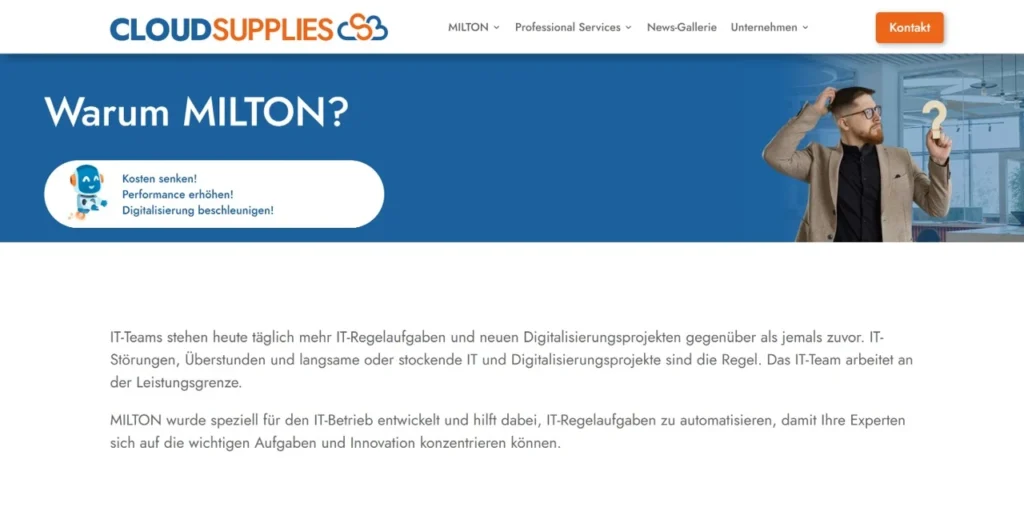
It’s better this way: The Hamburg-based company cloudsupplies has set itself the goal of freeing IT teams from these time-consuming routine tasks. With their intelligent automation solution MILTON, they automate recurring tasks in IT operations. MILTON automatically recognizes tasks such as the creation of new users in the Active Directory or the processing of IT tickets and executes them efficiently and error-free. This is done taking into account the specific requirements and circumstances of the company.
Advantages: By using cloudsupplies, companies can significantly optimize their IT operations. Automation enables a reduction of up to 95% of routine tasks, resulting in significant time savings. IT teams report up to 75% less effort in ticket processing and four times faster resolution of IT issues. This increase in efficiency allows employees to focus on more strategic and value-adding tasks, which not only increases productivity but also boosts satisfaction within the teams. In addition, automation ensures improved stability and security of IT systems, minimizing disruptions.
8. DeepL
How to quickly translate your content into other languages for your communications!
The challenge: Generative AI is now creating an enormous amount of content, information, and translations in a very short time. Teams need to respond to international markets faster and more frequently without losing precision or tone. At the same time, marketing and communications teams are under intense time pressure and working with limited resources, leading to delays, quality differences, and untapped potential in global communications.
Source: Cloudsupplies
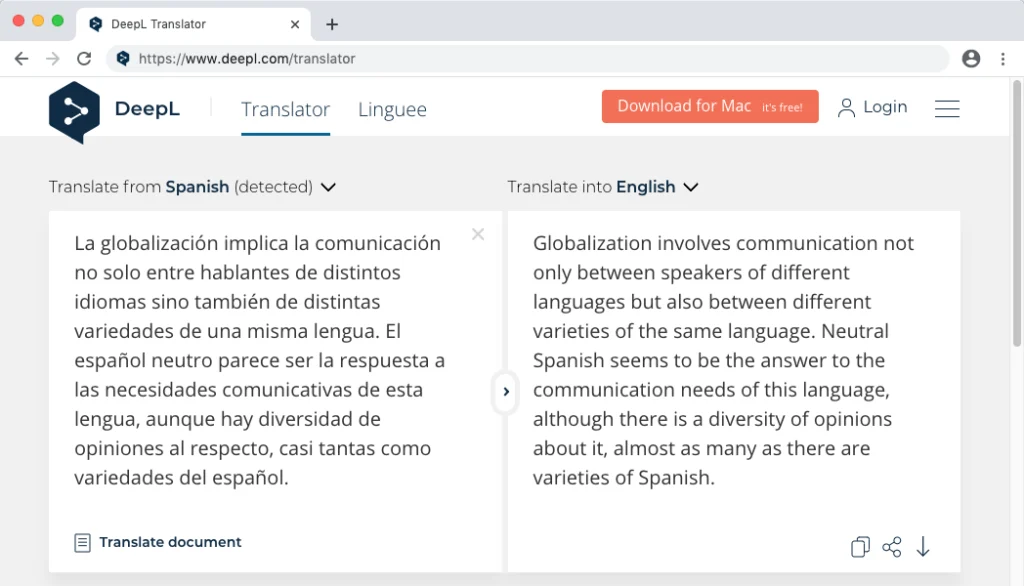
It’s better this way: DeepL offers an AI-powered platform for translation and text processing that enables companies to create multilingual content that is accurate, consistent, and of high quality. With powerful translations, support for numerous languages, and complementary features such as a writing assistant and formality adjustment, DeepL facilitates the creation and localization of texts for various channels. This allows existing content to be efficiently transferred into other languages while adapting it stylistically and linguistically to target markets.
Advantages: With DeepL, companies can significantly speed up their multilingual content creation while improving linguistic quality. Teams save valuable time on translation and proofreading, freeing up more capacity for creative and strategic tasks. Consistent terminology, uniform brand language, and high-quality translations ensure a professional presence across all languages and touchpoints.
Advantages of using AI tools
AI tools offer companies a wide range of benefits that have a direct impact on efficiency, productivity and competitiveness. They automate or support time-consuming routine tasks, giving employees more time for strategic and creative activities. Thanks to their precise data analysis and decision support, they enable more informed business decisions to be made in less time. In addition, many AI tools are designed to be user-friendly and do not require in-depth technical knowledge, making them easier to use for companies of all sizes. Another advantage is scalability: companies can flexibly adapt their use to growing requirements and thus respond efficiently to new challenges. With the right selection of AI tools, organizations can not only reduce costs, but also increase their innovative strength.
Potential challenges of AI tools
Despite the numerous benefits, AI tools also bring with them a number of challenges that companies should be aware of.
- One key hurdle is data quality, as AI tools can only work as well as the data they are fed with. Poor or insufficient data can lead to inaccurate results.
- There is also a risk of dependencies: Companies that rely heavily on certain tools risk operational difficulties in the event of failures or changes of provider.
- Data protection and compliance are also critical aspects, especially when sensitive information is processed.
- In addition, the implementation and integration of AI tools often requires a rethink of existing work processes, which necessitates change management and training for employees.
- Finally, high license costs or an unclear return on investment (ROI) can be an obstacle for complex applications.
Companies should therefore develop a clear strategy and careful planning before introducing AI tools.
How to choose the best AI tools for your company
Choosing the right AI tools for an organization requires a careful analysis of specific needs and goals.
- Areas of application: First, identify the application areas where AI can add the most value – such as process automation, data analysis or customer interaction.
- Functionalities: Next, it is important to compare different tools based on their functionalities, user-friendliness and compatibility with existing systems.
- Scalability: Another decisive factor is scalability, so that the solution can keep pace with the company’s growing needs.
- Data protection and security: Also check the data protection and security standards to ensure that the tool complies with legal requirements.
- Support and updates: Last but not least, the provider should offer reliable support and regular updates.
A structured selection process, accompanied by pilot projects and feedback from employees, helps to implement the best AI tools for sustainable success. To support companies in the selection process, we have also defined a checklist for companies for the introduction of AI and a best practice for a structured selection process.
AI tools in the future
AI tools will have to evolve in the future in order to respond even more closely to the individual needs of users and at the same time overcome ethical, social and technical challenges. They will become increasingly context-sensitive and interactive in order to solve more complex tasks autonomously (see multi-agent systems) without jeopardizing human control. Important development goals include improving transparency and traceability in order to reduce the “black box” problem, as well as taking data protection and fairness into account in order to prevent discrimination and abuse. At the same time, care must be taken to ensure that AI systems are designed sustainably, both in terms of their energy consumption and their social impact, in order to create long-term added value for all stakeholders.
What is the difference between an AI tool and an AI platform?
In the age of artificial intelligence, companies are faced with a variety of solutions that meet different requirements and needs. Terms such as “AI tool” and “AI platform” are often used – but what is the difference?
AI tool: Specialized solutions for specific tasks
An AI tool is a specialized software or application that has been developed for a specific task. It is ready for immediate use and enables users to solve a specific challenge efficiently.
Examples of AI tools:
- amberSearch: Helps employees to quickly find internal knowledge.
- ChatGPT: Generates texts or supports communication.
- Grammarly: Checks texts for grammatical and spelling errors.
- Canva Magic Design: Facilitates the creation of designs with the help of AI.
Advantages:
- User-friendly and can be used without prior technical knowledge.
- Focus on clearly defined use cases.
- Ideal for quick and uncomplicated applications in everyday work.
AI platform: flexible tools for individual solutions
An AI platform, on the other hand, offers a more comprehensive framework with which companies can develop and adapt their own workflows and integrate them into existing systems. It is primarily aimed at developers, IT teams or companies that require customized and scalable solutions.
Examples of AI platforms:
- amberSearch: Offers various interfaces to make a company’s internal knowledge accessible to AI agents, for example.
- Microsoft Azure AI: Provides infrastructure and tools for developing AI solutions.
- Google Cloud AI: Supports machine learning models and big data analysis.
- IBM Watson: Provides AI services such as language processing and data analysis.
Advantages:
- High flexibility for individual requirements.
- Scalability for larger projects and teams.
- Ability to integrate multiple AI applications and data sources.
AI tool or platform: when do I choose what?
The choice between an AI tool and an AI platform depends on the company’s goals and requirements:
- AI tools are ideal when a specific task needs to be automated or improved quickly and without a great deal of effort.
- AI platforms are suitable if larger projects are to be implemented or AI applications are to be individually tailored to the company.
In many companies, amberSearch is initially purchased as an AI tool to improve employees’ access to internal expertise. In a next step, the successes achieved with the AI assistants or enterprise search should be further deepened by integrating company knowledge into automated AI workflows via amberSearch. Many customers then rely on the amberSearch interfaces to provide the workflows with contextual knowledge in order to better solve tasks.
Now it’s your turn!
Have you tried amberSearch yet? If not, you can do so here: